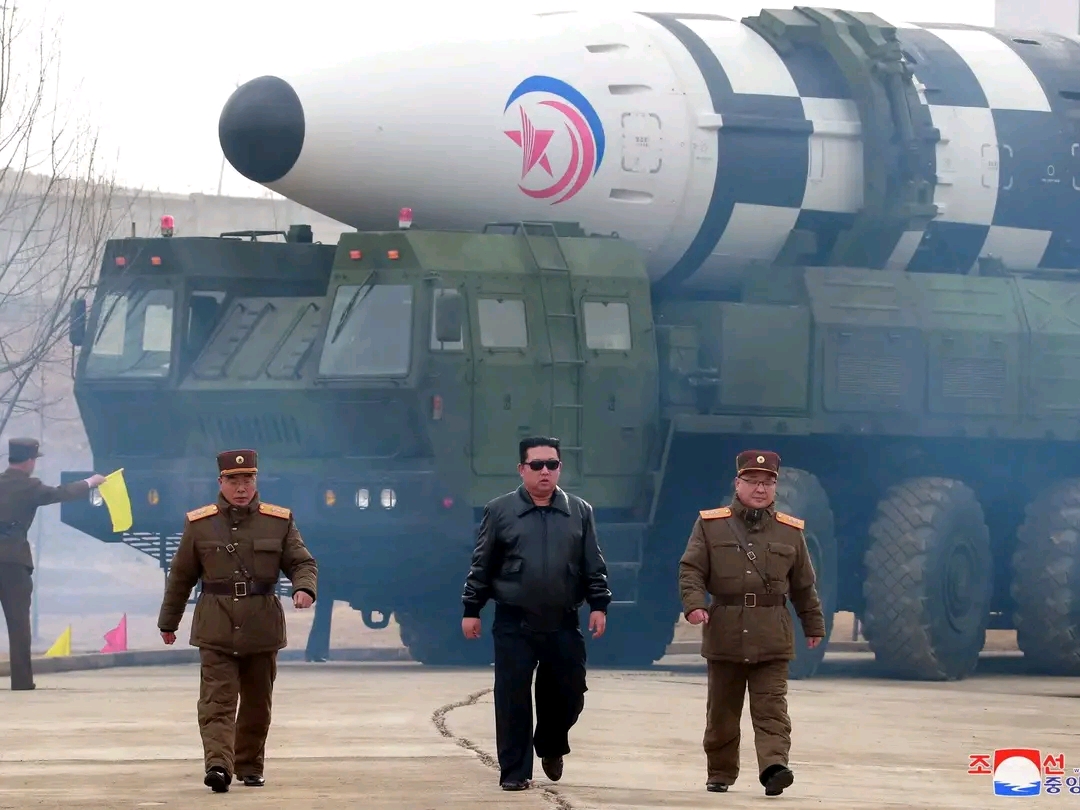
How North Korea Built Nuclear Weapons is a story that spans decades of diplomacy, sanctions, inspections, and geopolitical tension. What began in 1985 as participation in a global non-proliferation treaty eventually led to North Korea becoming the first country in history to withdraw from that treaty and later declare itself a nuclear-armed state.
Understanding how North Korea built nuclear weapons requires looking at the key events that shaped its nuclear timeline.
1985: Joining the Nuclear Non-Proliferation Treaty
On 12 December 1985, North Korea signed the Treaty on the Non-Proliferation of Nuclear Weapons (NPT). The treaty aims to prevent the spread of nuclear weapons while allowing countries to develop nuclear energy for peaceful purposes under international monitoring.
By signing the NPT, North Korea gained access to civilian nuclear cooperation, including assistance for light-water nuclear reactors intended for electricity production.
Under the treaty, nuclear facilities must be inspected by the International Atomic Energy Agency (IAEA) to ensure compliance.
1992–1993: Inspections Raise Concerns
Between 1992 and 1993, IAEA inspectors visited North Korean nuclear facilities. During inspections, inconsistencies were identified between North Korea’s reports and the agency’s findings.
In March 1993, North Korea announced its intention to withdraw from the NPT, citing national security concerns. This marked the beginning of the first major nuclear crisis.
The United States, under President Bill Clinton, responded with sanctions and warnings of possible military action.
At this stage, the question of how North Korea built nuclear weapons was still uncertain — but tensions were clearly rising.
1994: The Agreed Framework
The crisis eased after former US President Jimmy Carter visited Pyongyang and helped negotiate the 1994 Agreed Framework.
Under this agreement:
-
North Korea froze operations at its main reactor.
-
IAEA inspections resumed.
-
The United States arranged heavy fuel oil shipments.
-
Plans were made to build new light-water reactors for electricity.
North Korea suspended its withdrawal from the NPT, and for several years the agreement reduced tensions.
However, mistrust persisted.
Early 2000s: Uranium Enrichment Dispute
In 2002, US officials accused North Korea of secretly enriching uranium beyond agreed limits. North Korea denied violating agreements but asserted its sovereign right to self-defense.
The United States halted oil shipments in response.
In January 2003, North Korea officially withdrew from the NPT — becoming the first country ever to do so.
You can read more about the NPT framework here:
https://www.un.org/disarmament/wmd/nuclear/npt/
With international inspections no longer binding, North Korea was free from treaty obligations.
This moment was critical in understanding how North Korea built nuclear weapons without external oversight.
Six-Party Talks and Diplomatic Breakdown
After North Korea’s withdrawal, China, Russia, Japan, South Korea, and the United States initiated the Six-Party Talks.
The United States demanded full dismantlement of nuclear programs. North Korea demanded security guarantees and energy aid.
Negotiations stalled repeatedly.
While diplomacy dragged on, North Korea continued advancing its nuclear capabilities.
2005: Nuclear Weapons Declaration
In 2005, North Korea publicly declared that it had successfully manufactured nuclear weapons for self-defense. It also withdrew from the Six-Party Talks.
By this point, the question of how North Korea built nuclear weapons had an answer:
-
It signed the NPT to gain time and nuclear infrastructure.
-
It negotiated agreements that slowed external pressure.
-
It withdrew from the treaty in 2003.
-
It advanced its program without IAEA monitoring.
Global Impact
How North Korea built nuclear weapons reshaped international security. It remains the only country to withdraw from the NPT and later declare nuclear weapons capability.
Its nuclear status continues to influence East Asian geopolitics, global sanctions policy, and international non-proliferation efforts.
Ultimately, how North Korea built nuclear weapons was not the result of a single event but a gradual process shaped by diplomacy, strategic withdrawals, technical development, and shifting global politics. By leveraging treaty participation, suspending cooperation when pressured, and advancing its program after leaving the NPT in 2003, North Korea altered the balance of power in East Asia. Today, its nuclear capability remains central to regional security calculations, US foreign policy, and ongoing debates about the effectiveness of international non-proliferation agreements.
check out this ;Prince Andrew Arrest: Former Duke of York Detained, Released Amid Epstein Probe