
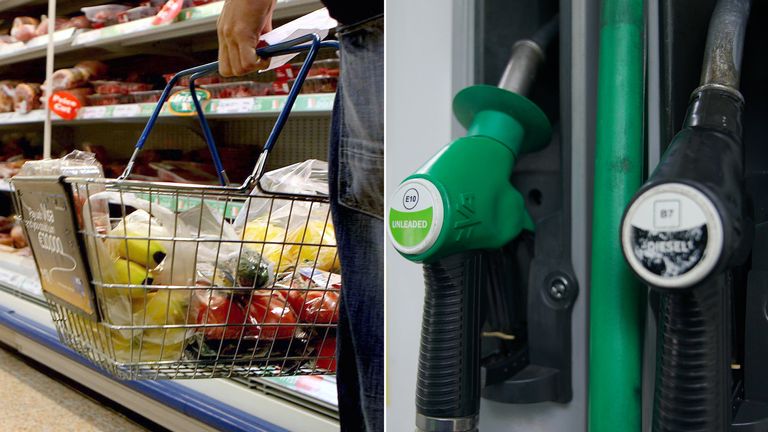
The sudden upward review of fuel prices on April 15, 2026, has created a “perfect storm” for the common mwananchi. When fuel prices cross the Ksh 200 threshold, they stop being just a motorist’s problem and become a survival issue for every household.
The link between fuel, inflation, and poverty in Kenya is direct and punishing because of three main “transmission channels”:
1. The Inflationary Ripple Effect
Inflation isn’t just a number; it is the speed at which your money loses value.
-
Transport-Led Inflation: The Kenya Transporters Association (KTA) has already warned of a 14% increase in haulage rates. Since almost everything—from cement to soap—travels by road, these costs are passed directly to the consumer.
-
Secondary Price Hikes: Manufacturers who use furnace oil or diesel generators for production will adjust the prices of household items like detergents, plasticware, and processed foods within the next 30 days.
2. Impact on Basic Commodities (The “Plate” Effect)
Food inflation is the most dangerous consequence. Food accounts for nearly 33% of the Consumer Price Index (CPI) in Kenya.
-
Unga (Maize Flour): While maize grain prices had stabilized earlier in the year, the Ksh 40.30 jump in diesel makes the cost of milling and transporting a 2kg packet to retail shelves significantly higher. Expect a 2kg packet to climb toward Ksh 200 in urban centers.
-
Perishables (Tomatoes, Sukuma Wiki): Research shows that perishables are the most sensitive to diesel prices. Since they must be moved quickly from farms to markets like Wakulima, any fuel hike results in an immediate price surge at the local mama mboga stall.
3. The Poverty Trap for the “Common Mwananchi”
For the millions of Kenyans living on a “hustler” budget, there is no “slack” to absorb these costs.
-
Disposable Income Squeeze: If a commuter’s fare rises from Ksh 100 to Ksh 130, that extra Ksh 60 per day (round trip) is often taken directly from the food budget.
-
The “One Million” Warning: Economic projections following this April hike suggest that inflation could rise well above 4%, potentially reducing real household incomes by 2.6%. In the worst-case scenario, experts warn this could push nearly one million more Kenyans below the poverty line.
Summary of the Economic “Chain Reaction”
| Step | Event | Result for Mwananchi |
| 1. EPRA Review | Fuel breaches Ksh 200. | Immediate panic and budget realignment. |
| 2. Transport Spike | Fares & freight rise 15-30%. | Less money left for school fees and rent. |
| 3. Commodity Rise | Unga, Milk, and Veggies go up. | Nutritional intake drops; “skipping meals” begins. |
| 4. Broad Inflation | Shilling buys less across the board. | Savings are depleted; debt levels rise. |
While the government has used Ksh 6.2 billion from the Petroleum Development Levy to stabilize prices, the sheer scale of the global landed cost increase (up 68.72% for diesel) means the “cushion” was simply not enough to prevent a historic hit to the Kenyan pocketbook.

https://shorturl.fm/ULuYc