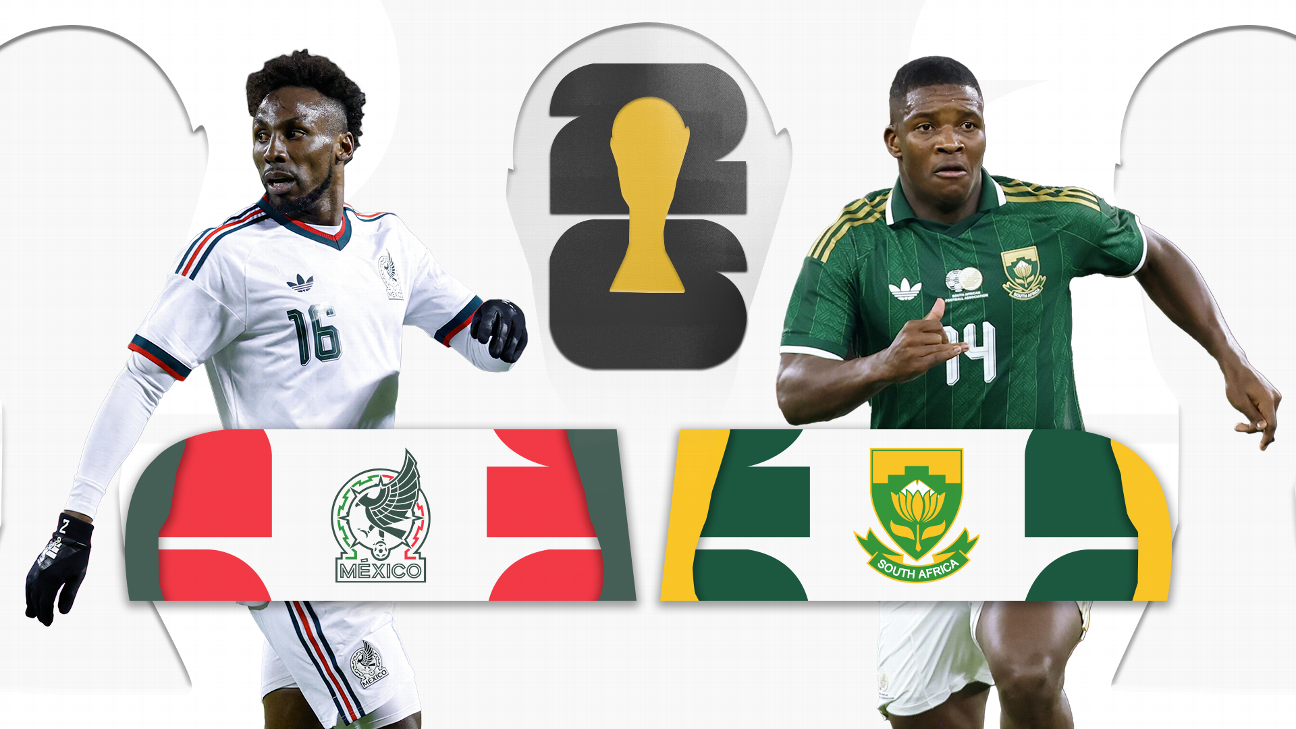
As South Africa prepares to face Mexico in the opening match of the FIFA World Cup, a growing debate has emerged across African social media platforms. While many football fans are expected to support South Africa as the continent’s representative, others have surprisingly thrown their weight behind Mexico.
For many of these supporters, the decision goes beyond football. It is rooted in years of frustration over recurring xenophobic attacks against fellow Africans living in South Africa.
Across the continent, memories remain fresh of incidents in which migrants from countries such as Zimbabwe, Nigeria, Ethiopia, Somalia, Malawi, and Mozambique were targeted during outbreaks of violence. Images of businesses looted, families displaced, and communities living in fear generated anger far beyond South Africa’s borders.
Many Africans argue that the attacks contradicted the spirit of Pan-Africanism and continental unity. During the struggle against apartheid, numerous African nations provided political, diplomatic, and material support to South African liberation movements. As a result, some Africans feel disappointed whenever fellow Africans are portrayed as unwanted outsiders within Africa’s most industrialized economy.
Social media discussions surrounding the World Cup opener have reflected these sentiments. Some fans have openly stated that they are backing Mexico as a symbolic statement against xenophobia. Others say they simply find it difficult to support a country that has repeatedly experienced tensions involving African migrants.
Critics also point to rhetoric from certain political figures who have blamed foreigners for unemployment, crime, and pressure on public services. While such views do not represent all South Africans, they have contributed to perceptions that migrants are often used as scapegoats for deeper economic and social challenges.
Mexico, by contrast, enters the tournament without carrying the same political baggage in the eyes of many African football supporters. For some fans, supporting Mexico is less about admiration for the Mexican team and more about expressing dissatisfaction with what they view as a failure to fully embrace African solidarity.
However, it is important to recognize that millions of South Africans strongly oppose xenophobia and have repeatedly condemned attacks against foreign nationals. Civil society groups, religious organizations, and ordinary citizens have often stepped forward to assist affected communities and promote peaceful coexistence.
The World Cup opener has therefore become more than a football match. It has evolved into a reflection of broader conversations about African unity, migration, and mutual respect among nations on the continent.
- Whether South Africa wins or loses on the pitch, the discussion surrounding the match serves as a reminder that football often mirrors the social and political realities of the world beyond the stadium. :::As South Africa prepares to face Mexico in the opening match of the FIFA World Cup, a growing debate has emerged across African social media platforms. While many football fans are expected to support South Africa as the continent’s representative, others have surprisingly thrown their weight behind Mexico.
For many of these supporters, the decision goes beyond football. It is rooted in years of frustration over recurring xenophobic attacks against fellow Africans living in South Africa.
Across the continent, memories remain fresh of incidents in which migrants from countries such as Zimbabwe, Nigeria, Ethiopia, Somalia, Malawi, and Mozambique were targeted during outbreaks of violence. Images of businesses looted, families displaced, and communities living in fear generated anger far beyond South Africa’s borders.
Many Africans argue that the attacks contradicted the spirit of Pan-Africanism and continental unity. During the struggle against apartheid, numerous African nations provided political, diplomatic, and material support to South African liberation movements. As a result, some Africans feel disappointed whenever fellow Africans are portrayed as unwanted outsiders within Africa’s most industrialized economy.
Social media discussions surrounding the World Cup opener have reflected these sentiments. Some fans have openly stated that they are backing Mexico as a symbolic statement against xenophobia. Others say they simply find it difficult to support a country that has repeatedly experienced tensions involving African migrants.
Critics also point to rhetoric from certain political figures who have blamed foreigners for unemployment, crime, and pressure on public services. While such views do not represent all South Africans, they have contributed to perceptions that migrants are often used as scapegoats for deeper economic and social challenges.
African Fans Support Mexico not only because of footballing preferences but also because of broader social issues that continue to shape perceptions across the continent. For some, the match has become an opportunity to express disappointment and call for greater African unity.
However, it is important to recognize that millions of South Africans strongly oppose xenophobia and have repeatedly condemned attacks against foreign nationals. Civil society groups, religious organizations, and ordinary citizens have often stepped forward to assist affected communities and promote peaceful coexistence.
The World Cup opener has therefore become more than a football match. It has evolved into a reflection of broader conversations about African unity, migration, and mutual respect among nations on the continent.
Whether South Africa wins or loses on the pitch, the discussion surrounding the match serves as a reminder that football often mirrors the social and political realities of the world beyond the stadium.