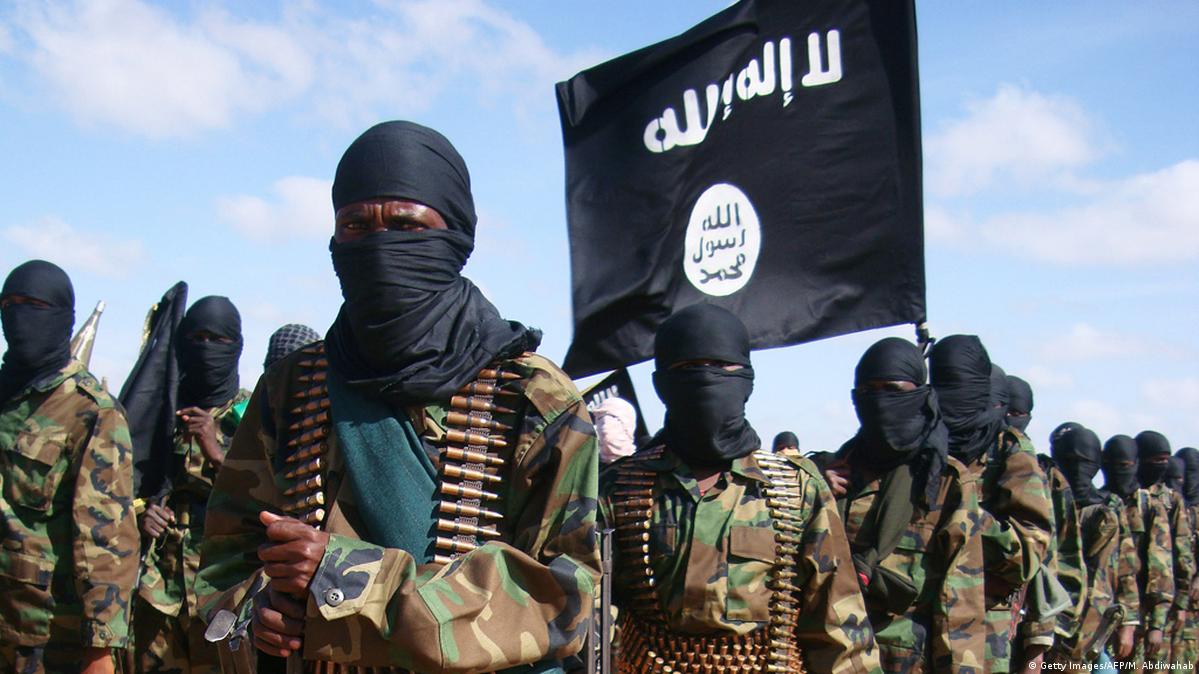
Al-Shabaab terror plot in Nairobi has been successfully disrupted by Kenyan security agencies following months of surveillance and intelligence-led operations, officials confirmed on Wednesday. The operation, conducted in Nairobi, led to the recovery of firearms, explosives, detonators and hundreds of rounds of ammunition believed to have been intended for a large-scale attack.
Authorities say the suspected cell was linked to the Somalia-based militant group Al-Shabaab, which has previously carried out deadly attacks inside Kenya. The arrests and seizures come during the holy month of Ramadan, a sacred period of fasting, prayer and reflection for Muslims worldwide — a time when security agencies traditionally heighten vigilance due to the risk of extremist groups attempting high-impact attacks.
According to senior security officials, the operation was the culmination of months of coordinated intelligence gathering involving counterterrorism units and national security agencies. Surveillance efforts reportedly tracked the suspects’ movements, communications and logistical preparations before officers moved in to conduct synchronized raids at multiple locations within the capital.
During the raids, officers recovered assault rifles, suspected improvised explosive device (IED) materials, detonators and a significant cache of ammunition. Security sources indicated that preliminary investigations suggest the group was in advanced stages of planning an attack targeting densely populated public spaces or critical infrastructure.
While authorities declined to specify the exact targets, they emphasized that the disruption likely prevented significant casualties and damage. “This was a major breakthrough in our ongoing efforts to safeguard the country,” a senior security official said, speaking on condition of anonymity due to the sensitivity of the investigation.
Kenya has remained a target of Al-Shabaab since deploying troops to Somalia in 2011 as part of regional stabilization efforts. The militant group has since claimed responsibility for numerous attacks on Kenyan soil, including assaults on public transport, shopping centers, security installations and places of worship.
Security agencies have intensified operations across urban centers and border counties, particularly during high-risk periods such as Ramadan, national holidays and major public events. Officials reiterated that extremist networks often attempt to exploit religious observances to amplify fear and attract global attention.
The government has urged the public to remain alert and cooperate with authorities by reporting suspicious activities. Community policing initiatives and intelligence-sharing mechanisms have been credited with strengthening early detection and rapid response capabilities.
Investigations into the disrupted Al-Shabaab terror plot in Nairobi are ongoing, with authorities working to determine whether additional suspects or facilitators are at large. Security agencies have reaffirmed their commitment to dismantling extremist cells and ensuring the safety of residents throughout the Ramadan period and beyond.
As the holy month continues, officials stress that heightened vigilance remains critical in preventing future threats and maintaining national security.