Kenyan entrepreneur, conservationist, and IUCN Patron of Nature, Humphrey Kariuki, has called for increased investment and stronger partnerships to support Africa’s regenerative blue economy, saying coastal communities must be at the heart of ocean conservation and restoration efforts.
Speaking during the 17th Monaco Blue Initiative (MBI) and the 2nd Blue Economy and Finance Forum (BEFF) held on May 27, 2026, in Monaco, Kariuki urged governments, investors, and development institutions to scale up support for African-led marine conservation projects and sustainable coastal development initiatives.
The forum, which was officially opened by Prince Albert II of Monaco, brought together global leaders, policymakers, financiers, and conservation experts to discuss the future of ocean governance and financing.
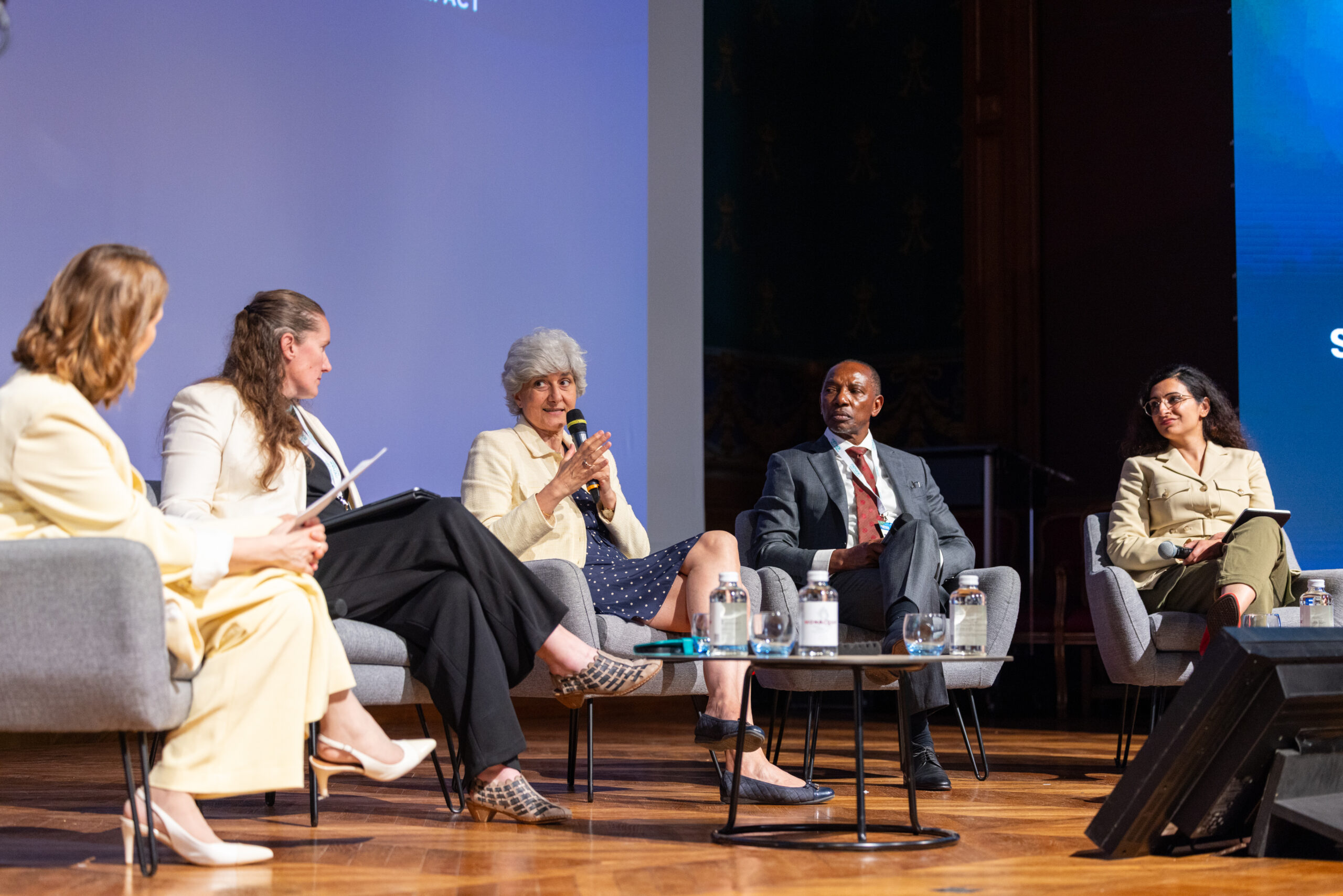
During a panel discussion titled “Governing and Financing the Ocean in a Fragmented World,” Kariuki highlighted the need for financing mechanisms that support nature-based solutions and regenerative ocean economies. He joined representatives from the World Bank, GIST Impact, and the International Advisory Panel on Biodiversity Credits in exploring ways global financial systems can better serve marine conservation efforts.
Kariuki noted that Africa’s oceans and coastal ecosystems play a critical role in supporting livelihoods, tourism, fisheries, food security, and local enterprises across the continent. He pointed out that while the global ocean economy generates more than US$2.5 trillion annually, Africa’s blue economy already supports nearly 50 million jobs and contributes approximately US$300 billion to the continent’s economy each year.
According to African Union and UNDP estimates, the sector could support up to 57 million jobs and contribute more than US$405 billion annually by 2030 if backed by sustainable investment and enhanced regional cooperation.
“Along Africa’s coastlines, healthy marine ecosystems support livelihoods, food security, tourism and local businesses,” Kariuki said.
“When these ecosystems decline, communities lose opportunity and livelihoods, but when restored and properly managed, they can become the foundation of a regenerative blue economy that benefits both people and nature.”
He emphasized that local communities should be recognized as key custodians of marine ecosystems and directly involved in conservation and restoration activities.
“If conservation excludes communities, it will not succeed,” he said. “Coastal populations must benefit through jobs, enterprise opportunities, restoration work, sustainable tourism, aquaculture, and blue carbon initiatives.”
Kariuki also threw his weight behind the Great Blue Wall Initiative, a regional effort championed by the International Union for Conservation of Nature (IUCN) and its partners to restore marine and coastal ecosystems while creating sustainable economic opportunities for communities along Africa’s coastline.
Read Also: Qatar Airways Expands African Network with New Flights and Increased Frequencies
Richest East African Musicians 2026: Top 10 Wealthiest Artists Ranked
The initiative is currently implementing pilot seascape projects in Kenya, Tanzania, Zanzibar, Mozambique, Madagascar, and Comoros, with plans to expand to more African coastal states between 2026 and 2030.
The conservationist further challenged the private sector to adopt investment approaches that balance profitability with environmental sustainability.
“Investment into Africa’s oceans cannot only be extractive and profit-driven,” Kariuki said. “It must also contribute to restoration, preservation, and long-term economic benefits for the communities and ecosystems that sustain industries.”
He concluded by calling for stronger collaboration among governments, investors, conservation organizations, and local communities through a shared “One Ocean Partnership” aimed at securing a sustainable future for the world’s coastal ecosystems and the millions of people who depend on them.