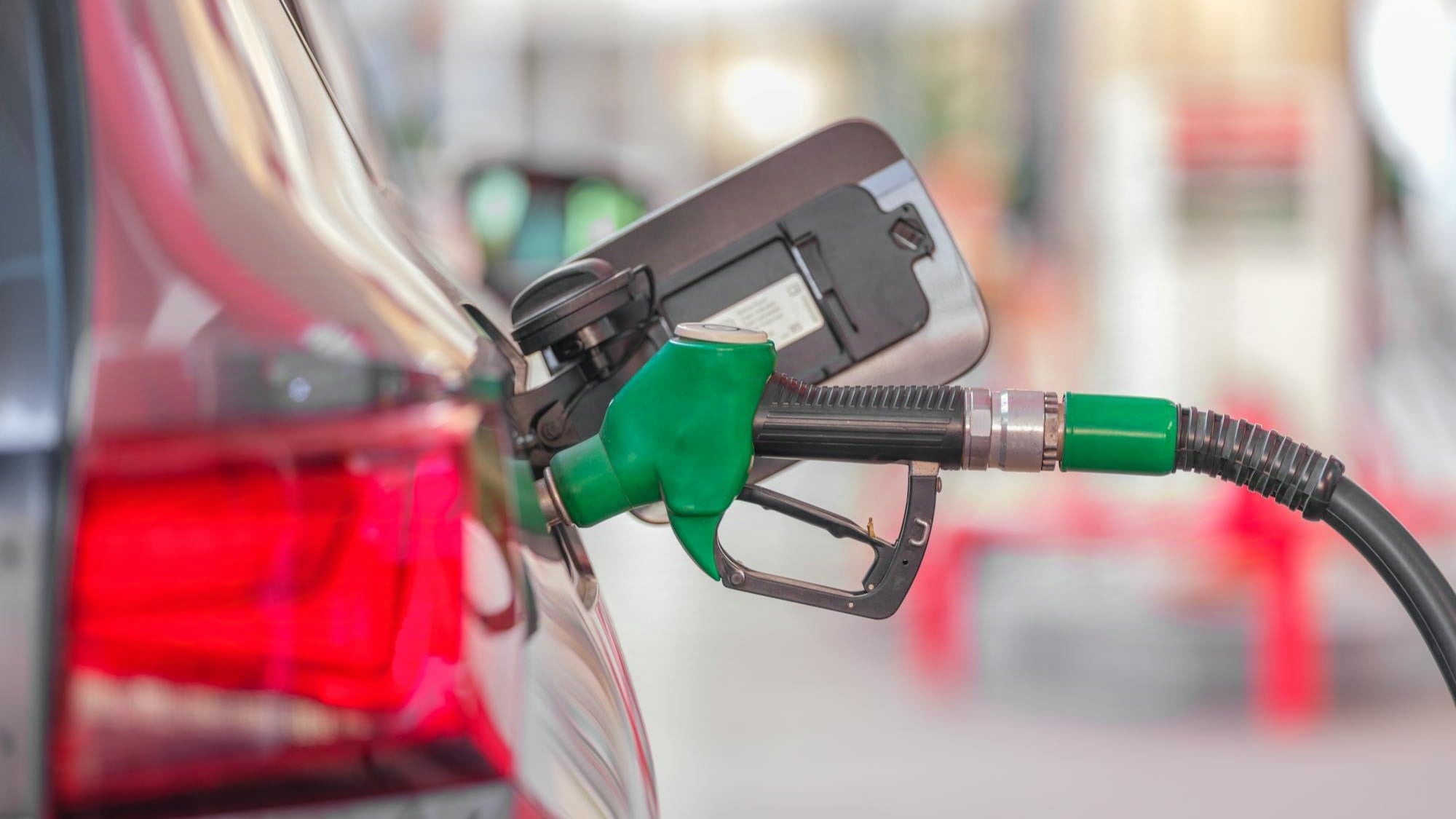
Fuel prices across the country have been hiked following the monthly review by the Energy and Petroleum Regulatory Authority (EPRA).
The authority said the maximum allowed pump price for Super Petrol increased by Shh16.65 per litre, while Diesel recorded a significant jump of Sh46.29 per litre while the price of Kerosene, however, remained unchanged.
EPRA explained that the revised prices will take effect from May 15, 2026, and remain in force for 30 days.
“In accordance with Section 101(y) of the Petroleum Act 2019 and Legal Notice No.192 of 2022, we have calculated the maximum retail prices of petroleum products which will be in force from 15th May 2026 to 14th June 2026,” they announced.
As a result, the authority announced the new retail prices in Nairobi, which will take effect at midnight.
Read Also: EPRA Pushes Regional Cooperation to Boost Energy Access, Stability
EPRA Fuel Price Update: Relief as Kenya Holds Rates Amid Middle East Crisis
“In Nairobi, Super Petrol, Diesel, and Kerosene now retail at Sh214.25, Sh242.92, and Sh152.78 effective midnight for the next 30 days,” the statement added.
The regulator noted that the prices include all applicable taxes and levies under the current tax framework.
“The prices are inclusive of the VAT, in line with the VAT Act, 2013, as read with Legal Notice No.70 dated 15th April 2026, the Finance Act, 2023, the Tax Laws (Amendment) Act 2024, and the revised rates for excise duty adjusted for inflation as per Legal Notice No. 194 of 2020,” the statement further read.
EPRA attributed the increase in local pump prices to the rise in the average landed cost of imported fuel products between March and April 2026.
“The average landed cost of imported Super Petrol increased by 10.00% from USS$23.27 per cubic metre in March 2026 to US$906.23 per cubic metre in April 2026; Diesel increased by 20.32% from US$1073.82 per cubic metre to US$1291.98 per cubic metre while Kerosene increased by 1.39% from US$1311.93 per cubic metre to US$1332.73 per cubic metre over the same period,” the statement concluded.
This comes a month after EPRA addressed reports of an artificial shortage of petroleum products across the country despite confirmation that national fuel stocks remained sufficient.
On Wednesday, EPRA indicated that its investigations have uncovered practices by certain Oil Marketing Companies (OMCs) that are contributing to the perceived shortage.
The authority explained that early findings suggest that some companies are withholding supplies in anticipation of price changes.
“Preliminary investigations indicate that some Oil Marketing Companies (OMCs) are deliberately holding back sales to non-franchised petroleum retailers, otherwise known as independents, in anticipation of a price increase. This practice is tantamount to hoarding and is an offence under Section 99(1)(k) of the Petroleum Act No. 2 of 2019 (Cap 308),” the statement read.
EPRA revealed that some OMCs are also violating pricing regulations at the wholesale level.