The consultative meeting formed part of the mandatory Environmental and Social Impact Assessment (ESIA) process, which seeks public input before the project receives regulatory approval for implementation.
If approved, the initiative is expected to transform the management of one of Nairobi Metropolitan’s most important urban forests by enhancing conservation, improving security, and protecting biodiversity while ensuring surrounding communities continue benefiting from the forest.
Why KFS Wants to Fence Oloolua Forest
The proposed project is being spearheaded by the State Department for Forestry through the Kenya Forest Service in partnership with the Green Connect Foundation.
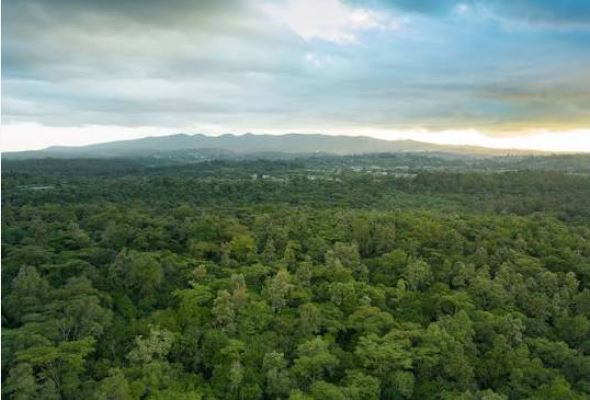
Under the proposal, a 25-kilometre solar-powered electric perimeter fence will be erected around the 618-hectare Oloolua Forest Reserve, which falls under the Ngong Hills Forest Station. The fencing will enclose approximately 661.6 hectares to secure the forest from increasing human pressure and illegal activities.
According to KFS Environmental Expert Benedict Omondi, the project is designed to address persistent challenges that have threatened the integrity of the forest over the years.
He said illegal logging, land encroachment, charcoal burning, illegal dumping and criminal activities have continued to undermine conservation efforts, making additional protection measures necessary.
“The purpose of the fence is to safeguard the forest, not to deny the local community access. Designated access gates will be established in consultation with residents,” Omondi explained during the public forum.
He emphasized that the project seeks to preserve the forest’s ecological, recreational and cultural significance for both current and future generations.
Residents Welcome the KFS Oloolua Forest Fence Project
The proposal received overwhelming support from residents drawn from Oloolua, Olkeri, Karen/Empakasi and Embul-Bul, alongside members of the Community Forest Association (CFA).
Many participants described the project as a timely intervention that could restore order within the forest while improving safety for neighbouring communities.
Community Forest Association Deputy Chairperson Jane Wambui said Oloolua Forest has for years suffered from illegal activities that have negatively affected both conservation efforts and public safety.
She noted that illegal logging and indiscriminate dumping of waste have continued despite previous interventions, while criminals have increasingly used sections of the forest as hiding places after committing offences.
According to Wambui, securing the forest through fencing would significantly strengthen conservation efforts while making the area safer for visitors and nearby residents.
Police Say Project Will Improve Security
Security agencies also expressed support for the initiative.
Oloolua Officer Commanding Station (OCS) Munene Musau told residents that fencing the forest would enhance law enforcement operations by reducing the opportunities criminals exploit within the reserve.
“The fencing will help eliminate cases where criminals use the forest as a hideout. It will make the area safer for residents and support law enforcement efforts,” Musau said.
Authorities believe improved access control will make surveillance easier while enabling security officers to respond more effectively to illegal activities occurring within the forest.
Conservation Benefits Expected
Regional Forest Conservator for Nairobi Joyce Thuku urged residents to support the project, saying the surrounding communities stand to benefit directly from better forest management.
She explained that protecting Oloolua Forest would not only preserve biodiversity but also safeguard vital ecosystem services such as clean air, water catchment protection and recreational spaces enjoyed by thousands of visitors annually.
Thuku added that stronger conservation measures would ensure the forest continues supporting livelihoods through regulated community activities while protecting indigenous flora and fauna.
She encouraged residents to view the fencing project as a long-term investment in environmental sustainability rather than simply a security intervention.
Community Access Will Continue
One of the main concerns raised during the public participation exercise was whether fencing would restrict local residents from accessing the forest.
Participants sought clarification on whether entrance fees would be introduced or whether long-standing community activities would be discontinued.
KFS assured residents that the fencing is not intended to exclude communities from using the forest responsibly.
Officials said registered members of Community Forest Associations will continue accessing the forest for approved activities, including:
- Grazing livestock in designated areas.
- Collecting firewood under existing regulations.
- Beekeeping and related conservation enterprises.
- Participating in approved forest conservation activities.
The agency reiterated that designated entry gates would be established following consultations with surrounding communities to ensure access remains orderly and secure.
Wildlife Protection Measures Planned
Residents also questioned whether the proposed electric fence could interfere with wildlife movement.
In response, KFS said the project would be implemented in close collaboration with the Kenya Wildlife Service (KWS) to ensure ecological considerations remain a priority.
Officials explained that wildlife corridors would be identified during implementation to allow animals to move safely without disrupting their natural migration patterns.
The commitment aims to strike a balance between enhancing security and preserving biodiversity within the forest ecosystem.
Rangers to Be Deployed
To complement the fencing project, KFS announced plans to deploy additional forest rangers and community scouts responsible for monitoring, patrolling and maintaining the perimeter fence.
The agency also plans to construct ranger housing within the forest to improve surveillance and ensure rapid response to incidents such as illegal logging, encroachment and vandalism.
Officials believe combining modern infrastructure with increased human presence will significantly strengthen forest protection.
Local Youth to Benefit Through Employment
Beyond environmental conservation, residents welcomed KFS’s commitment to create employment opportunities during implementation.
The agency pledged to prioritize local youth in construction works and other related project activities.
Community members said the employment opportunities would provide much-needed income while encouraging young people to actively participate in protecting the forest.
Many residents noted that involving local communities in conservation projects often leads to greater ownership and long-term success.
What Happens Next?
The KFS Oloolua Forest fence project will only proceed after the National Environment Management Authority (NEMA) reviews and approves the Environmental Impact Assessment (EIA) report.
Upon approval, NEMA will issue the required environmental licences before construction begins.
The public participation exercise marks an important milestone in ensuring the project complies with Kenya’s environmental laws while incorporating the views of affected communities.
If implemented as planned, the solar-powered perimeter fence is expected to become a model for balancing environmental conservation, public safety and sustainable community access to protected forests.
A Step Toward Sustainable Forest Management
As urban development continues to place pressure on Kenya’s forests, initiatives such as the KFS Oloolua Forest fence project are increasingly being viewed as essential tools for safeguarding critical ecosystems.
By combining modern conservation infrastructure with community participation, enhanced security and wildlife protection measures, the project aims to preserve one of Kajiado North’s most valuable natural resources for future generations.
With strong support from residents, local leaders and security agencies, the proposed fencing project now awaits regulatory approval before moving into the implementation phase.