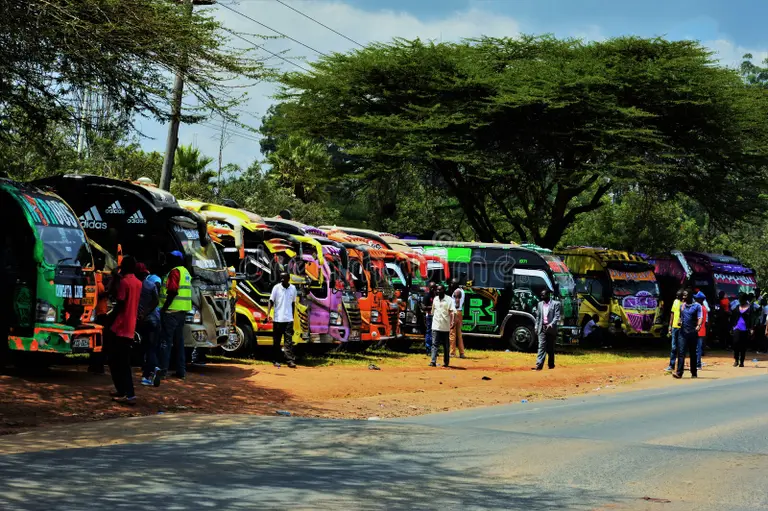
Instead of normal operations resuming, hardliners allied to the Inter-Corridor Mobility group went ahead with the boycott, plunging Nairobi into one of its worst transport crises in recent months and exposing deep divisions within the public transport sector.
Major Highways Paralyzed
The effects of the Nairobi matatu strike were felt most acutely along Thika Road, Juja Road, Waiyaki Way, and sections of Mombasa Road. Bus stops overflowed with frustrated commuters from as early as 5 a.m., many uncertain whether transport services would resume.
Only a handful of public service vehicles (PSVs) remained on the road, and operators quickly took advantage of the scarcity by hiking fares by as much as 300 percent. Passengers reported paying triple the normal fare for short distances, while others were forced to walk several kilometers to reach workplaces and schools.
Traffic police struggled to manage crowds as desperate commuters spilled onto highways, creating safety concerns during peak hours.
Why the Strike Happened
At the heart of the Nairobi matatu strike is a growing insecurity crisis facing PSV operators. Matatu owners claim they are under siege following a surge in arson attacks targeting their vehicles, often after accidents involving boda boda riders or pedestrians.
Industry figures indicate that at least nine matatus were torched in January alone, many in broad daylight. Operators argue that despite repeated reports and public outcry, few arrests have been made, emboldening perpetrators and leaving investors exposed.
“This strike is about safety, not politics,” said one operator. “Our vehicles are being burned and no one is being held accountable.”
Leadership Split Fuels Confusion
The confusion surrounding the Nairobi matatu strike stems from a deep leadership split within the sector. While the FPTS opted for dialogue after receiving assurances from security agencies, the Inter-Corridor Mobility group rejected the move.
Joseph Kagai, a key figure in the hardline faction, declared the strike “irreversible” during a rally on Sunday night. “We cannot negotiate while our vehicles are burning,” Kagai told supporters. “The government must feel the pain.”
This division created a volatile situation on the roads. Reports emerged of enforcement squads aligned with the striking faction stoning vehicles that attempted to operate, forcing many compliant matatu owners to withdraw their fleets for fear of retaliation.
Police Deployment and Economic Impact
Police were deployed to major transport corridors and terminals to restore order, but their presence had limited effect on easing commuter misery. By mid-morning, businesses across Nairobi were reporting delayed openings, absenteeism, and productivity losses.
Economists warn that a prolonged Nairobi matatu strike could cost the economy billions of shillings daily, given the city’s dependence on public transport to move its workforce.
Commuters Bear the Brunt
For ordinary Nairobians, the strike has been devastating. Parents struggled to get children to school, casual workers lost daily wages, and patients faced challenges accessing healthcare facilities.
The situation worsened after sections of the boda boda sector threatened to join the protests in solidarity with their own grievances. With both matatus and motorcycles affected, last-mile connectivity collapsed in several estates, leaving residents stranded.
Pressure Mounts on Government
Commuters are now directing anger at the Ministry of Transport and the Interior Ministry, accusing the government of failing to guarantee safety and enforce the law. Critics argue that allowing rogue elements to dictate transport operations sets a dangerous precedent.
So far, official communication has been minimal, with no clear roadmap on arrests, compensation, or long-term security reforms for the sector.
A Fragile System Laid Bare
The Nairobi matatu strike has once again exposed the fragility of the city’s public transport system and the volatile relationship between operators, boda boda riders, commuters, and the state.
Until firm action is taken to address insecurity and restore confidence, industry insiders warn that similar disruptions could recur, with ordinary wananchi continuing to pay the price.