Old Mutual Balance Sheet Restructure could pave the way for future dividend payments after the financial services group proposed a major accounting exercise aimed at clearing billions of shillings in accumulated losses from its balance sheet.
Old Mutual Holding PLC is seeking shareholder approval for a restructuring plan that would allow it to use KSh 4.66 billion from its share premium account to offset part of the KSh 7.06 billion in retained losses accumulated over previous years.
The regional financial services group announced that shareholders will vote on the proposal during its 18th Annual General Meeting (AGM) scheduled for June 30, 2026.
The move is designed to strengthen the company’s balance sheet and improve its flexibility to reward shareholders in the future.
Old Mutual Balance Sheet Restructure Targets Historical Losses
According to the company, the proposed transaction is purely an accounting adjustment and will not involve any cash payments to shareholders.
It will also have no effect on ownership percentages, voting rights, daily operations, liquidity, cash flow, or customer obligations.
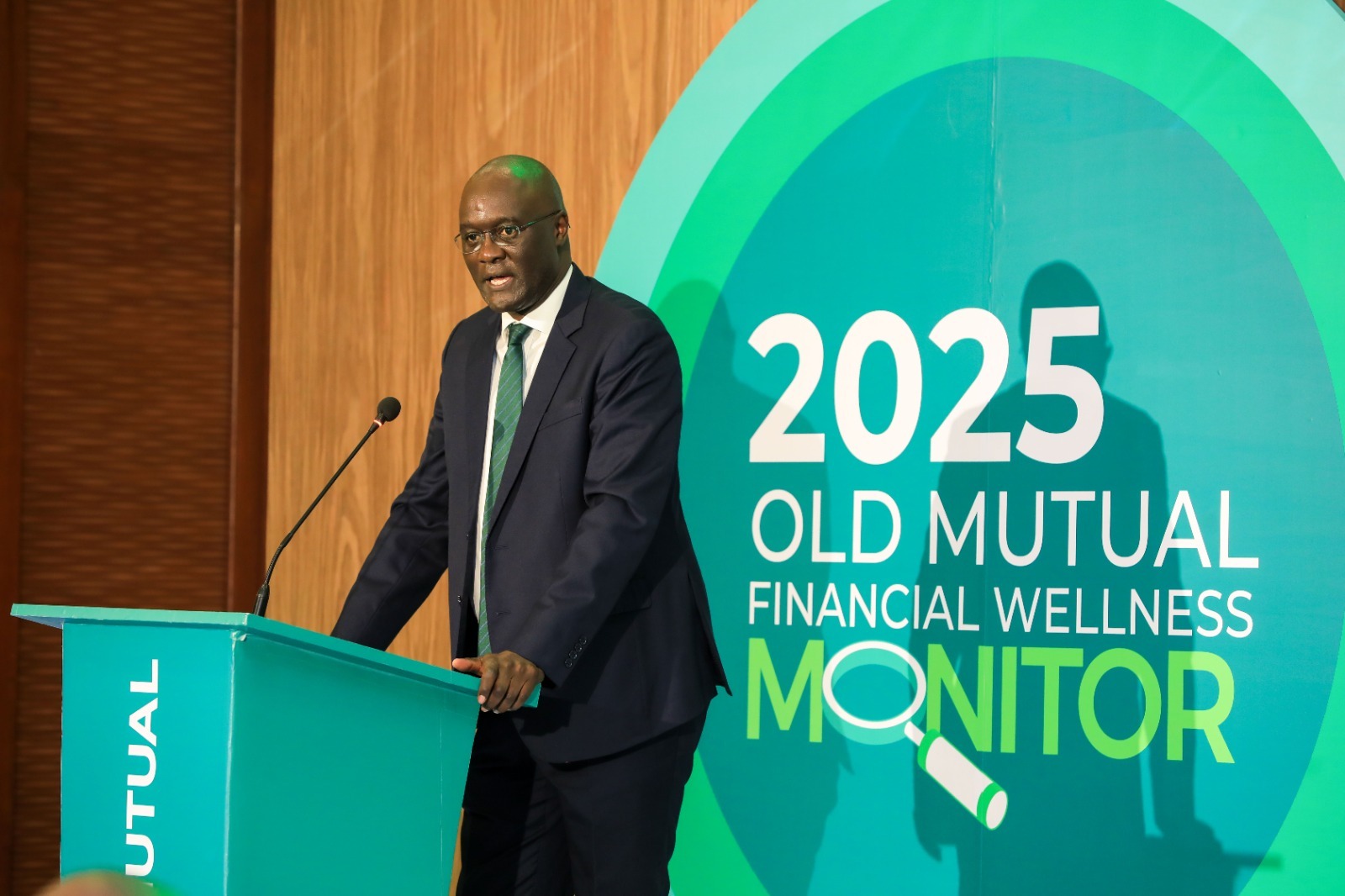
Old Mutual Group CEO Arthur Oginga said the proposal marks an important milestone in strengthening the company’s financial position.
“This is an important step in strengthening our financial position and restoring greater flexibility for future shareholder returns as the business continues to grow and deliver sustainable performance,” said Oginga.
Under Kenyan company law, firms with accumulated losses are generally restricted from paying dividends until those losses are addressed. By reducing the share premium account, Old Mutual can legally offset part of its retained losses and move closer to a position where dividend payments become possible.
Return to Profitability Supports the Proposal
The proposed balance sheet cleanup comes after Old Mutual recorded two consecutive years of profitability across its operations in Kenya, Uganda, and Rwanda.
For the financial year ending December 31, 2025, the Group reported a Profit After Tax of KSh 856 million.
Despite the return to profitability, losses accumulated during previous years have continued to weigh heavily on the balance sheet. Some of these losses date back to the period following the company’s separation from its South African parent in 2014.
Management believes that eliminating part of these historical losses will better reflect the company’s current financial health.
“The proposal supports our ongoing efforts to optimize the balance sheet, enhance financial flexibility, and position the business for sustainable long-term growth and value creation for our shareholders,” Oginga added.
Board Recommends Approval
Old Mutual’s Board of Directors has unanimously recommended that shareholders support the proposal.
However, shareholder approval alone will not be sufficient.
The transaction must also receive confirmation from the High Court of Kenya before becoming effective. Court approval is a standard requirement for reductions of share premium accounts and serves to protect creditors’ interests.
The company emphasized that the restructuring does not affect creditors, policyholders, customers, or employees and remains strictly a balance sheet exercise.
Market analysts expect the proposal to receive strong support given that it does not dilute existing shareholders or require additional capital contributions.
What Is a Share Premium Account?
For many investors, the concept of a share premium account can seem technical.
A share premium account is created when a company issues shares above their nominal or par value.
For example, if a share has a par value of KSh1 but is sold for KSh10, the additional KSh9 is recorded in the share premium account.
The account forms part of shareholders’ equity but cannot normally be distributed as dividends under Kenyan law.
How the Old Mutual Balance Sheet Restructure Works
Old Mutual plans to reduce its share premium account by KSh4.66 billion and use the amount to eliminate an equivalent portion of accumulated losses.
Importantly, this is a paper transaction.
No money changes hands, no shares are cancelled, and no shareholder ownership is altered.
The exercise simply improves the accounting position of the company by reducing historical losses.
What It Means for Shareholders
If approved, shareholders should expect:
- No change in ownership percentages
- No cash payout from the transaction
- No change in voting rights
- Improved prospects for future dividend payments
By reducing retained losses, Old Mutual moves closer to meeting the legal requirements needed before dividends can be declared in future profitable years.
More on Old Mutual Website
Future Dividend Potential
While the proposal does not guarantee immediate dividend payments, it removes a significant obstacle that has prevented shareholder distributions.
The restructuring is widely viewed as a signal that management believes the company has successfully emerged from its challenging years and is now focused on long-term value creation.
For investors, the move represents a crucial step toward restoring dividend-paying capacity while strengthening Old Mutual’s financial foundation for future growth.
Bottom Line
The Old Mutual Balance Sheet Restructure is not a rights issue, capital raise, or cash distribution. Instead, it is a strategic accounting exercise designed to reduce historical losses, improve financial flexibility, and potentially unlock future dividends for shareholders.
With profitability returning and the Board backing the proposal, all eyes will now turn to shareholders and the High Court as the company seeks approval to complete one of its most significant balance sheet cleanups in years.
By Emmanuel Kutosi
Analyst, Starbrands E.A
Nairobi, June 10, 2026
Also Check out ; Britam Pays 97M to Farmers, Pastoralists Hit by Climate Shocks