In Kenya, there is a specific, sweat-inducing brand of courage found only in a dental waiting room. It is a bravery born out of sheer, unadulterated desperation. For most of us, the dentist is not a partner in wellness. They are the “emergency exit” we only seek when the salt-water gargles have failed, the “mwarobaini” stick and every painkiller hasn’t worked, and the throbbing in our jaw is louder than the Sunday morning sermon.
By the time we finally sit in that reclining dental chair, we are not looking for a “check-up.” We have already made peace with the reality of losing a tooth, because an extraction seems like the only viable cure.
This culture of “pain-driven” dentistry is a silent crisis that we treat as a private struggle. Yet, the reality is that the mouth does not, and should not, exist in a vacuum.
In 2015, Mars Wrigley Kenya sponsored the country’s first and only Kenya National Oral Health Survey. The study, carried out by the Ministry of Health, University of Nairobi, and other partners, revealed that our “private” toothaches are actually a national epidemic.
The findings show that a staggering 98.1 percent of Kenyan adults suffer from gum disease, and 46.3 percent of five-year-olds are already dealing with tooth decay. 20 percent of schoolchildren miss class because of tooth-related problems, while 28 percent avoid smiling because of embarrassment. It is clear that we are dealing with a widespread, though silent, public health challenge. Even more telling is that nearly half of the children surveyed had never once visited a dentist.
As a society, we have, for a long time, treated oral health like a private struggle, yet the survey suggests it should be a front-page headline. When a child can’t focus on classwork because of a cavity, or an office worker takes a sick day due to dental pain, the economy feels the bite.
Read Also: Detrex-KGS Scales Up Prison Menstrual Health Initiative
Rethinking FMCG Growth in Kenya: The Power of the Last Mile
Poor oral health quietly drags down Kenya’s development. Children fall behind in school, parents lose wages, and employers have to deal with cases of absenteeism from oral conditions that we can easily prevent.
The Kenya Dental Association (KDA) has long argued that we cannot simply “extract” our way out of this problem. With a dentist-to-population ratio of 0.27 per 10,000, the math doesn’t add up. We simply don’t have enough pliers for the millions of teeth at risk.
Furthermore, when we view oral health as a clinical issue, our actions become reactive, as the pain forces us to go to the dentist. A paradigm shift is critical, and we must all embrace a new way of thinking. And it starts with making oral health discussions public, rather than private conversations.
We need to remember two critical factors. Oral health is not merely about teeth. Rather, it is about dignity, productivity, confidence, and overall well-being. Secondly, oral health is everyone’s responsibility, not just dentists. Conversations around oral health must become part of our lives.
Healthy discussions belong in the school curriculum, where teachers normalize brushing twice a day before the decay sets in. Imagine applying the same consistency in teaching about oral health as we do around handwashing. There would be great progress in spreading the prevention message.
Oral health conversations also belong in the workplace, where “wellness” should include a dental plan that encourages preventive activities rather than just emergency surgery.
But the most powerful shift must happen at home. We must stop using the “scary dentist” as a threat to get children to behave. When oral health becomes normal dinner-table talk, we break the cycle of waiting until pain strikes.
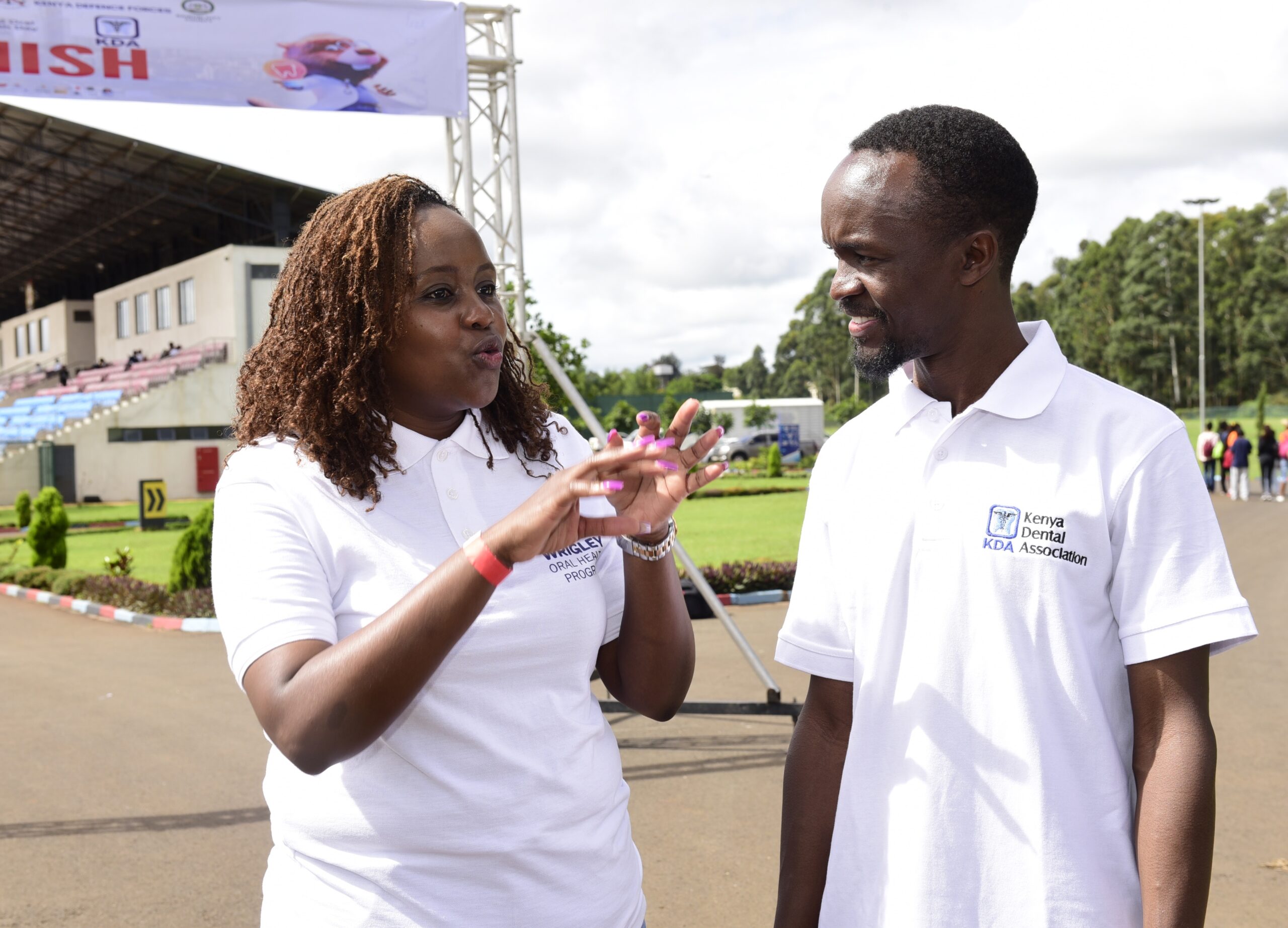
KDA fosters a shared approach to oral health. Through its work with partners and community programs, KDA has pushed for oral health to move beyond the dentist’s chair and into the heart of public health. The association’s message is clear: prevention beats cure, and prevention happens when all of us, government, schools, employers, families and professionals, work together. During this year’s World Oral Health Day, KDA, alongside Mars Wrigley Kenya, Gemsmiles Foundation and other stakeholders, organized free dental clinics that provided inspections for over 7,000 people with some receiving extractions, cleaning and root canal treatments.
The 2015 Oral Health Survey gave us a solid blueprint, but it shouldn’t just sit on a shelf as a collection of grim statistics. It should be the wake-up call for a new national habit. Let’s stop being “brave” only when we are in agony. Let’s be wise enough to talk about our teeth while they are still in our mouths. The dentist’s chair will always be there when needed. But the real power lies in the conversations we have before we ever have to sit in it.
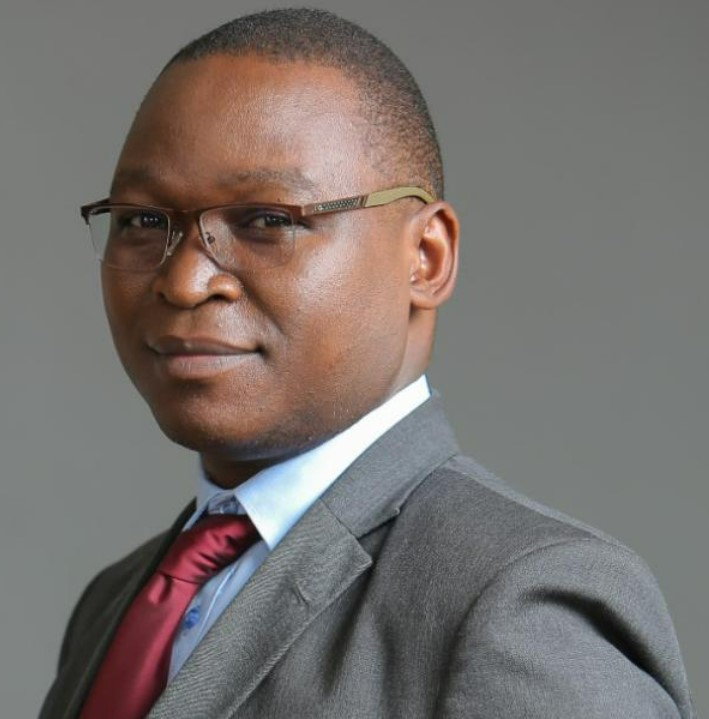
The writers are Kenya Dental Association President, Dr. Kahura Mundia, and Victoria Macharia, Mars Wrigley Corporate Affairs Manager, Sub-Saharan Africa.