The Independent Electoral and Boundaries Commission (IEBC) is seeking KSh74.8 billion to facilitate preparations for the 2027 General Election, a figure that would make the upcoming polls the most expensive electoral exercise in Kenya’s history if approved.
The proposed budget is significantly higher than the amount spent during the 2022 General Election, which cost approximately KSh34.5 billion. The sharp increase reflects the commission’s plans to expand voter registration, acquire new election technology, increase polling stations and strengthen logistical operations ahead of the August 2027 vote.
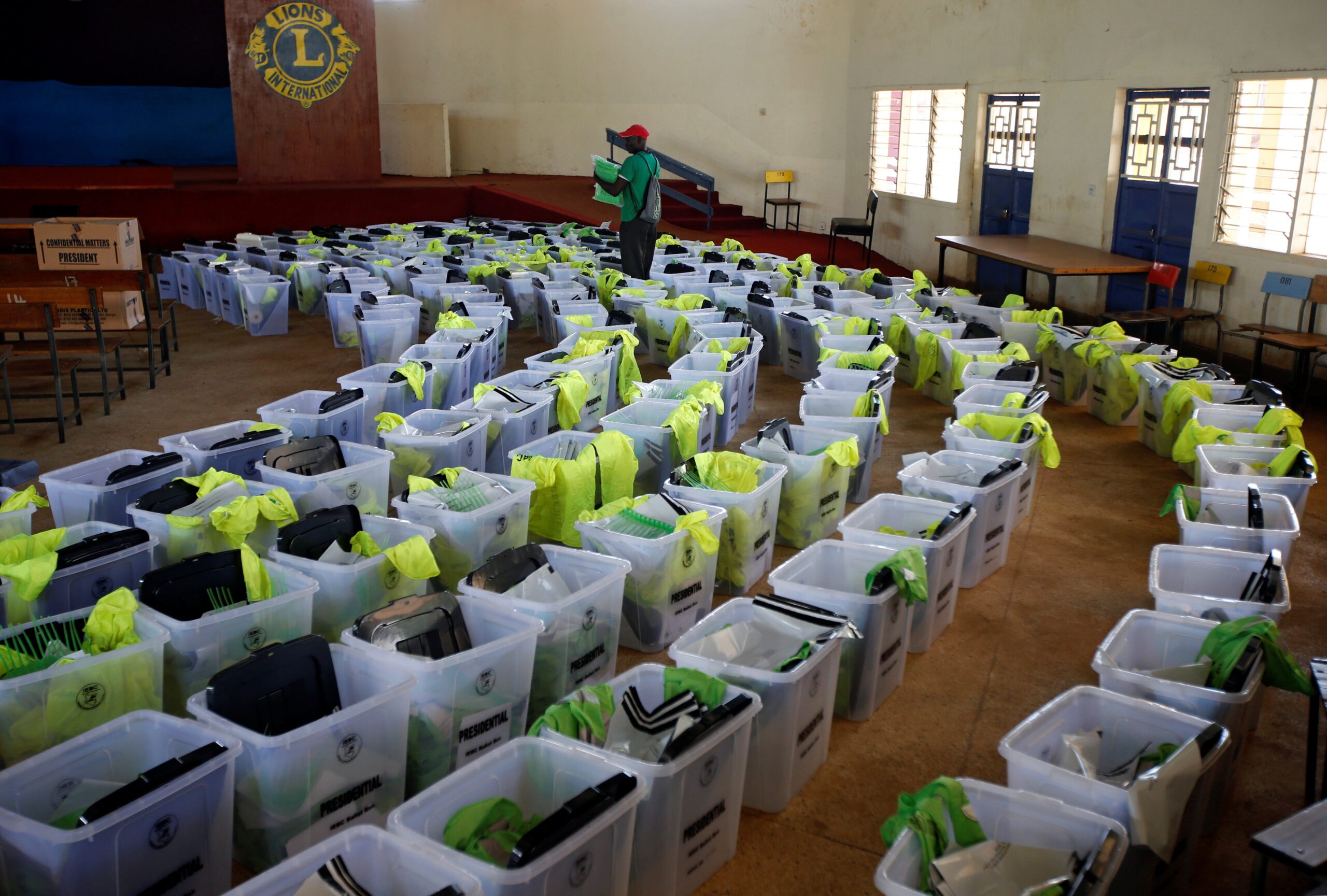
A substantial portion of the proposed allocation is earmarked for election technology, with the commission seeking approximately KSh10.7 billion for the acquisition and deployment of Kenya Integrated Election Management System (KIEMS) kits. The devices are used for biometric voter identification and electronic transmission of results from polling stations.
According to the commission, many of the KIEMS kits currently in use were acquired ahead of the 2017 General Election and are approaching the end of their operational lifespan. IEBC estimates that it will require approximately 59,352 KIEMS kits for the 2027 polls, including the replacement of about 45,352 ageing devices.
The electoral body also projects that the number of registered voters could increase to approximately 28.5 million by 2027. To accommodate the growing electorate, the commission plans to increase the number of polling stations across the country, a move intended to improve voter access and reduce congestion on election day.
IEBC maintains that investment in modern election technology and infrastructure will be critical in ensuring a smooth, transparent and credible electoral process. The commission argues that adequate funding will be necessary to support voter registration, staff training, voter education campaigns, election security and nationwide logistics.
Despite the planned investment in new KIEMS kits, questions surrounding the integrity of the voter register are expected to remain a key issue in the run-up to the election. In previous election cycles, political leaders, civil society groups and election observers raised allegations of duplicate voter registrations, incorrect voter details and the inclusion of individuals suspected to be foreign nationals in the electoral roll.
Some of the allegations claimed that citizens from neighbouring countries, including Somalia, South Sudan and Burundi, had found their way into the voter register through fraudulent documentation. Critics argue that while technology upgrades are important, public confidence in elections will ultimately depend on the accuracy and credibility of the voter register itself.
The commission has consistently maintained that it conducts regular audits, verification exercises and data-cleaning processes to safeguard the integrity of voter records. However, calls for an independent audit and comprehensive clean-up of the register are expected to intensify as preparations for the 2027 General Election gather momentum.
The size of the proposed budget is expected to attract scrutiny from lawmakers, with Members of Parliament likely to question the sharp increase in expenditure and demand detailed explanations for procurement plans, technology investments and operational costs.
Critics are expected to argue that the commission must demonstrate value for money at a time when the country faces competing demands for public resources. Supporters of the proposal, however, are likely to contend that credible elections require substantial investment in personnel, technology and logistics.
Parliament is expected to review the budget request as part of deliberations on the 2026/27 financial year. The outcome of those discussions will determine the final allocation granted to the electoral body as it begins formal preparations for the next General Election.
Many Kenyans are expected to closely monitor the activities of the IEBC as preparations for the 2027 General Election gather pace. The upcoming contest is already being viewed by political observers as one of the most consequential elections in recent years, with heightened public interest in electoral reforms, voter register integrity and the commission’s ability to deliver a credible, transparent and peaceful poll.
With political activity already gathering momentum ahead of the 2027 contest, the debate surrounding the IEBC 2027 Election Budget and voter register integrity is expected to remain at the centre of Kenya’s political discourse in the months ahead, with every major decision by the electoral body likely to come under intense public and political scrutiny..