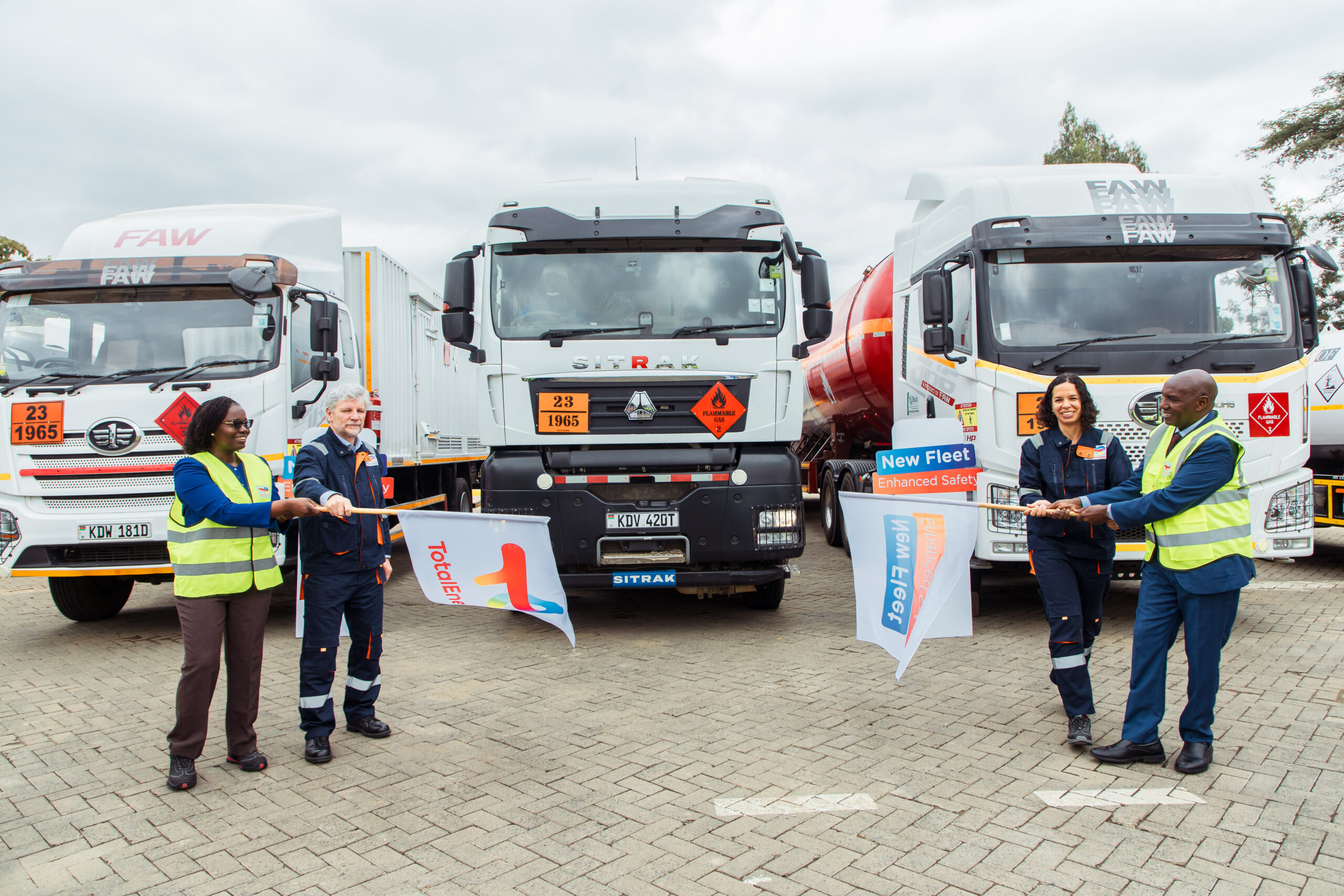
TotalEnergies Marketing Kenya PLC has achieved a landmark milestone in the country’s energy sector, deploying 100% of its new, fully compliant transport fleet nationwide. With 161 modern, specialized heavy commercial vehicles now operating on Kenyan transit corridors, the company is dramatically reducing transport emissions and setting new benchmarks for safety and efficiency in East African logistics.
Table of Contents
-
A Historic Leap in Kenya’s Green Energy Transition
-
Environmental Impact: 3.7 Kilotonnes of CO₂ Saved Annually
-
Safety First: Setting New Compliance Benchmarks
-
TotalEnergies Kenya’s Broader Sustainability Commitment
-
A Shared Responsibility for a Safer, Greener Future
A Historic Leap in Kenya’s Green Energy Transition
The deployment of TotalEnergies Kenya’s new transport fleet represents a defining moment in the company’s green transition journey. This complete fleet modernization goes far beyond environmental targets—it establishes a new safety and compliance benchmark for East African logistics, demonstrating how major energy and transport firms can overhaul heavy infrastructure to support national development.
Speaking during the unveiling of the new transport fleet, State Department for Petroleum Principal Secretary Kello Harsama emphasized the broader significance of this achievement:
“The safe transport and handling of petroleum products is a shared responsibility that cannot be undertaken in isolation. Industry players must work together to build a safer, more resilient operating environment.”
The PS noted that this initiative reflects what can be delivered when government, regulators, industry players, and transporters work together with a shared commitment to safer, more reliable, and more responsible energy logistics.
Environmental Impact: 3.7 Kilotonnes of CO₂ Saved Annually
The environmental benefits of TotalEnergies Kenya’s new fleet are substantial. The company is slashing transport emissions by an estimated 3.7 kilotonnes of carbon dioxide annually—a victory for the country’s green finance and climate action goals.
This transition is anchored on a major efficiency leap, with the new fleet decreasing average fuel consumption from 5.8 to 3.5 liters per kilometer. This reduction protects public health while supporting Kenya’s climate goals under the Fourth Medium Term Plan (2023–2027) and the Bottom-Up Economic Transformation Agenda.
As PS Kello observed, improved fleet efficiency and driver practices are expected to reduce CO₂ emissions, contributing to a more responsible energy supply chain. He further noted that safety reforms are directly linked to environmental outcomes, with improved efficiency in fleet management and driving practices enhancing the sector’s sustainability profile.
Safety First: Setting New Compliance Benchmarks
TotalEnergies Kenya’s new transport fleet integrates cutting-edge safety technology that sets a new standard for the industry:
Advanced Driver Assistance Systems
The fleet features next-generation driver assistance systems that alert drivers when making turns and warn when the truck is too close to vehicles ahead.
AI-Powered Monitoring
TotalEnergies Marketing Kenya PLC Managing Director, Thibault Flichy, detailed the technological sophistication of the new vehicles:
“The fleet is also equipped with dual interior cameras and an AI-powered monitoring system that detects driver fatigue and distraction, automatically sending alerts to the central monitoring team for immediate intervention.”
Speed Limiters and Compliance
The vehicles integrate advanced speed limiters calibrated strictly to Kenya Bureau of Standards (KEBS) KS 2295:2018 guidelines. This standard mandates that all speed limiting devices have the capability to transmit speed data to NTSA servers.
Roadside Safety Features
For roadside safety, the vehicles feature certified steel underride barriers and high-visibility retro-reflective contour markings, protecting other road users in the event of collisions.
PS Kello emphasized that technology and compliant vehicles must always be supported by disciplined, well-trained, and responsible drivers. He welcomed the continued focus on driver competence through programmes such as the Perfect Driver Program, which plays a significant role in shaping driver character and ensuring operational excellence.
TotalEnergies Kenya’s Broader Sustainability Commitment
The fleet renewal is just one component of TotalEnergies Kenya’s comprehensive sustainability strategy. The company’s approach to sustainability is structured around four pillars: climate and sustainable energy, acting for the well-being of employees, caring for the environment, and having a positive impact for stakeholders.
Solar-Powered Service Stations
TotalEnergies Kenya now powers more than half of its fuel stations on solar energy, with 154 of its stations across Kenya powered by solar systems as at December 2025. This represents 54.03% of the oil marketer’s outlets, part of a twin approach to cut electricity costs, guarantee stable supply, and reduce carbon emissions.
Clean Cooking Initiative
The company has committed to inject Sh1 billion into the Kenyan market annually as part of its clean cooking strategy, with a keen focus on LPG. This is part of the $400 million (Sh51.8 billion) earmarked for investment in LPG in Africa and India, targeting at least 100 million people by 2030. The company targets to have reached more than four million households on cooking gas cylinders by the end of 2026.
Electric Vehicle Charging Infrastructure
TotalEnergies Marketing Kenya has installed 30 charging stations for electric vehicles (EVs) and motorbikes, diversifying from fossil fuels to tap into the fast-growing uptake of electric mobility.
A Shared Responsibility for a Safer, Greener Future
The successful deployment of TotalEnergies Kenya’s new transport fleet demonstrates that corporate sustainability and high-yield commercial performance can seamlessly coexist with industry leadership and regulatory compliance.
PS Kello called for continued collaboration among the State Department of Petroleum, EPRA, industry players, transporters, and road safety partners. He noted that recent regulatory and policy adjustments—including the review of the Cost of Service for Supply of Petroleum Products and the recognition of compliant trucks in transport rates—have fostered an environment conducive to investing in safer, more modern logistics fleets.
“Let us continue working together so that every journey is safer, every vehicle is compliant, every driver is empowered, and every operation contributes to Kenya’s reliable and sustainable energy future.”
— PS Kello Harsama
The modernization project proves that major energy and transport firms can overhaul heavy infrastructure to support national development while simultaneously advancing environmental sustainability and road safety. With this 100% fleet renewal, TotalEnergies Kenya has positioned itself as a leader in the country’s green transition—and a model for the East African region.
For more information on TotalEnergies Kenya’s sustainability initiatives, visit TotalEnergies Kenya or contact their corporate communications team.